


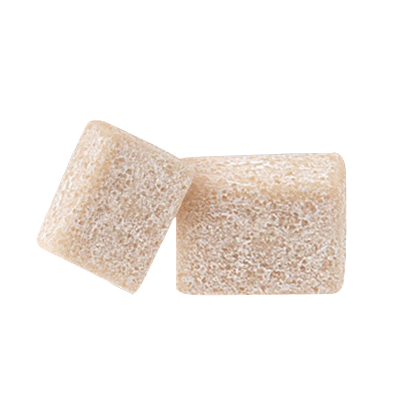

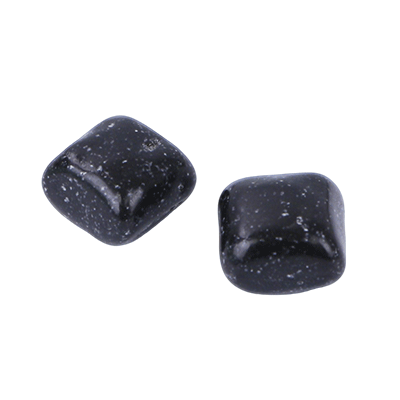


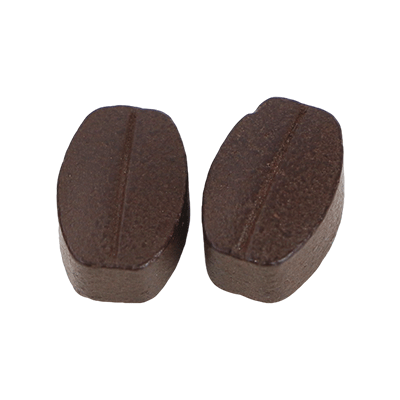





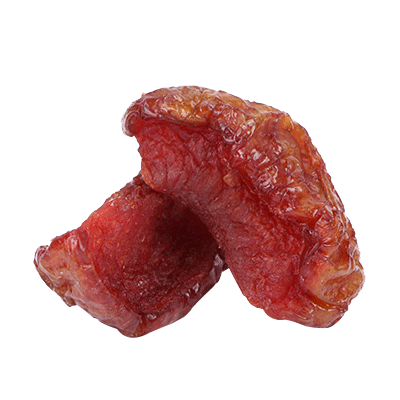




As a product manager, R&D specialist, or food manufacturer, you know that preserving the quality of bulk ingredients directly impacts your final product's success and your bottom line. In this guide, you'll gain actionable, industry-specific insights into the science of storing bulk coffee candy. We'll cover the critical factors that affect shelf life, how to audit your storage setup, and why your choice of supplier is the first and most crucial step in a robust quality assurance chain.
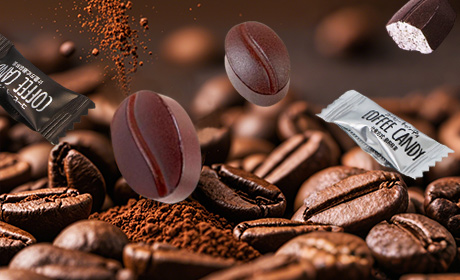
Part 1: The Foundation of Freshness - Choosing Your Supplier
Your storage strategy begins long before the product enters your warehouse. Partnering with a supplier who engineers their products for stability is paramount.
Supplier Selection Checklist for Maximum Shelf Life
- Manufacturing Environment: Does the supplier control humidity and temperature during production? For instance, AGOLYN produces its coffee candy in a dehumidified environment (<40% RH) to ensure low initial moisture content.
- Primary Packaging: What is the first barrier? High-quality suppliers use nitrogen-flushed, metallized film for products like our Coffee Candy to lock out oxygen from day one.
- Technical Data & Support: Can they provide a detailed technical data sheet (TDS) with parameters like water activity (Aw) and specific storage recommendations? Reliable suppliers offer this as standard.
AGOLYN's Proactive Approach
We design our candy with stability in mind. Our recipes are optimized to minimize hygroscopicity, and our customization solutions can adjust formulations—like sweetness level or coating—to better suit your specific climate and storage duration needs, giving you a head start on preservation.
Part 2: The Core Principles of Bulk Storage
Once you receive your bulk pallets, consistent environmental control is non-negotiable.
Optimal Storage Conditions: The Golden Rule
- Temperature: Maintain a stable 15-20°C (59-68°F). Fluctuations cause condensation inside packages, leading to clumping and sugar bloom.
- Humidity: Keep relative humidity below 50%, ideally between 35-45%. Use calibrated hygrometers and consider desiccant dehumidifiers for storage rooms.
- Light & Odors: Store in complete darkness and away from strong odors. Coffee's volatile aromas can absorb surrounding smells.
Warehouse & Inventory Management
Implement a strict FIFO (First-In, First-Out) system. Clearly label all pallets with the production date and a "use-by" date. Keep pallets off the floor and away from walls to ensure proper air circulation. For long-term storage of high-value ingredients, consider investing in a dedicated climate-controlled chamber.
Part 3: Troubleshooting & Quality Monitoring
Proactive checks prevent costly waste. Train your QC team to perform regular visual and sensory audits on stored stock.
- Check for Clumping: Indicates moisture ingress.
- Assess Aroma: The rich coffee scent should remain potent. Fading suggests flavor degradation or poor barrier packaging.
- Monitor Texture: Candy should not become excessively hard or sticky.
Frequently Asked Questions (FAQs) for B2B Buyers
Q1: What is the typical shelf life of your bulk coffee candy under optimal conditions?
A: Our standard shelf life is 18 months from production date when stored in unopened, original packaging under the recommended conditions. We can provide extended-life formulations through our custom formulation service.
Q2: Can we repackage your bulk product into smaller retail packs? What are the risks?
A: Yes, many clients do. The critical step is performing this in a low-humidity environment (<45% RH). Exposure to ambient air during repacking is the biggest risk. We advise using automated packaging lines with nitrogen flushing for best results.
Q3: Do you offer different packaging sizes for bulk orders?
A: Absolutely. We offer a range of bulk packaging, from 10kg foil-lined cartons to 500kg totes, all designed for industrial handling. We can help you choose the most cost-effective and protective option for your supply chain.
Q4: What happens if our storage facility experiences a temporary temperature spike?
A: Short-term spikes (a few hours) are usually low-risk if humidity remains controlled. The primary danger is repeated cycling or prolonged exposure. We recommend data loggers in your storage area to track such events and assess their impact on specific batches.
Secure Your Supply Chain's Quality
Don't let improper storage undermine your product quality. Let AGOLYN's technical team provide a tailored storage assessment and recommend the most stable coffee candy variant for your needs.
Get Your Custom Storage SolutionContact us for a technical consultation, sample testing, or a quote on bulk orders.


