









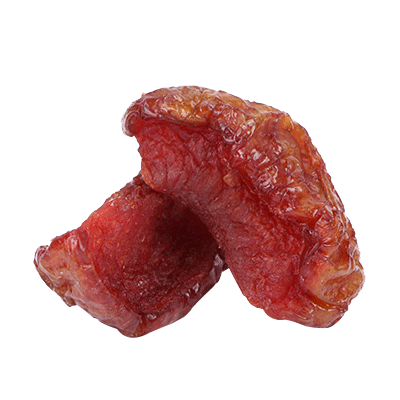
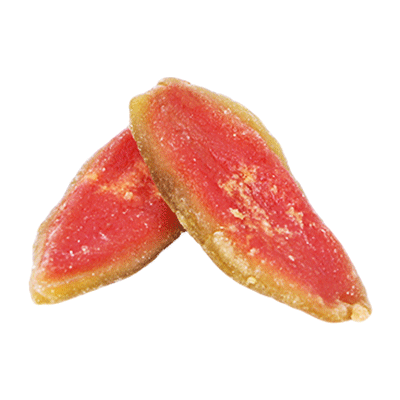


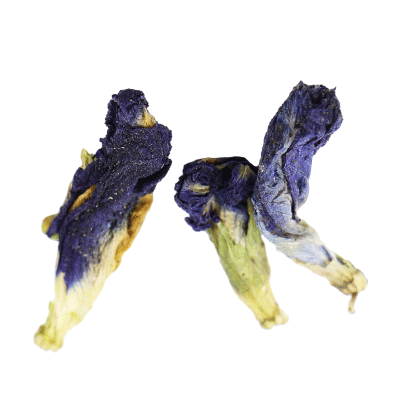


The global snack market is undergoing a seismic shift. As we approach 2026, the traditional distinction between "confectionery" and "health supplements" is blurring. For retail category managers, this represents a golden era for the "Middle Aisle"—the space where high-margin Candy and Dried Fruits live. According to market insights, the demand for value-added treats is skyrocketing.
However, the path to profitability is no longer paved with generic, high-volume commodities. Today, the retailers winning the market are those who master the art of Value-Driven Selection and leverage a strategic sourcing partner to optimize their supply chain.
I. Decoding Consumer Psychology: The "Permissible Indulgence"
The modern consumer is a walking contradiction: they want to indulge, but they want to feel good about it. This is the "Permissible Indulgence" phenomenon. When a shopper picks up a bag of premium dried mango or organic gummies, they are buying an "affordable luxury" that satisfies a craving without the health guilt.
1.1 The Shift from Sugar to Functionality
Retailers who ignore functionality are leaving millions in potential revenue on the table. A standard bag of gummy bears might sell for $1.99 with a 15% margin, but a "clean label" alternative utilizing monk fruit sweeteners can easily fetch $4.49 with a margin exceeding 35%.
1.2 The Power of Visual Weight and Sensory Marketing
In retail, perception is reality. The "visual weight" of packaging—the texture, the matte finish, the resealable seal—communicates quality before the first bite. Strategic selection involves choosing brands that invest in sensory marketing. Transparency is key; showing the actual fruit through a "window" in the packaging increases trust and justifies a higher price point.
II. Technical Selection: FD vs. SD – Which Drives Higher Margins?
Not all processing methods are created equal. As a retailer, understanding the technical difference between Freeze-Dried (FD) and Sun-Dried (SD) is crucial for inventory ROI.
For a retailer aiming for high margins, Freeze-Dried products are the strategic winner. Because the weight is significantly lower (due to water removal), shipping costs per unit are reduced, while the perceived value remains high. This is the definition of "margin efficiency."
III. Margin Quantification: A B2B Case Study
| Metric | Commodity Model (Q3 2024) | Agolyn Strategic (Q3 2025) | Net ROI Impact |
|---|---|---|---|
| Average SKU Price | $2.45 | $4.15 | +$1.70 |
| Gross Margin % | 18.5% | 32.8% | +14.3% |
| Waste/Spoilage Rate | 6.2% | 2.1% | -4.1% |
| Customer LTV (Snacks) | $112/year | $168/year | +$56 |
IV. The Agolyn Sourcing Advantage: Eliminating Hidden Costs
Many retailers believe they are getting a good deal from local wholesalers, but they often ignore the **"Hidden Cost of Intermediaries."** When you buy through three layers of distributors, you are paying for their warehouses, their logistics, and their profit margins.
4.1 Global Origin Direct (G.O.D) Logic
Through Agolyn's Direct Sourcing Network, we connect you to the source. Whether it is premium cashews from Vietnam or functional gummies from Germany, bypassing the middleman instantly adds 15% to your bottom line. We recommend reviewing our guide on overseas factory auditing to see how we maintain quality.
4.2 Compliance as a Profit Center
Recalls and safety failures are the fastest way to destroy a category's margin. By selecting suppliers that are Agolyn-Verified, you mitigate the risk of import delays and food safety litigation.
V. Merchandising Strategy: Placing for Profit
Selection is only half the battle; where you put the product matters.
- Cross-Merchandising: Place organic dried mangoes next to premium teas to trigger high-value bundle purchases.
- Eye-Level Anchor: Reserve the 120cm-160cm zone for your highest-margin FD fruits.
- The "Check-out Wedge": Use premium portion-controlled packs at the checkout to replace low-margin snacks.
Expert FAQ: Retail Sourcing Challenges
Unlock Your Category's True Profit Potential
Expert market research, factory-direct sourcing, and category optimization—all in one place. Stop settling for commodity margins.
Partner with Agolyn Today


