




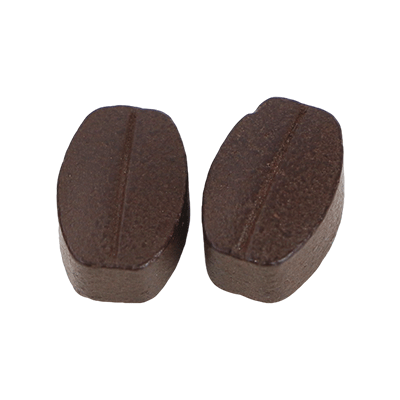








☕🍬 Coffee candy & caffeine — the B2B truth: In this guide, you'll discover the science behind coffee candy formulations, caffeine content variations, and how to navigate labeling requirements. Learn how AGOLYN's coffee candy and customization solutions help you create products that match consumer expectations while staying compliant.

☕ 1. The short answer: yes, but it varies
🔬 Most coffee-flavored candies contain caffeine, but the amount depends entirely on the formulation. Candies made with real coffee extract or brewed coffee contain naturally occurring caffeine. Those using only artificial flavors may have zero caffeine. For manufacturers, this distinction matters for labeling and target audience positioning.
AGOLYN's coffee candy line offers clear documentation of caffeine content per batch, so you know exactly what you're sourcing.
📊 2. Caffeine content: typical ranges
Based on industry analysis, caffeine levels in coffee candy typically fall into these ranges:
- Hard candies: 5-15mg per piece (similar to half a cup of decaf)
- Chewy caramels: 10-25mg per piece
- Chocolate-coated coffee beans: 30-50mg per serving
- Energy-focused coffee candies: up to 50mg per piece (added caffeine)
For comparison, a standard 8oz coffee contains 95mg caffeine. Coffee candies are generally a mild stimulant, not an energy bomb.

🌱 3. Where does the caffeine come from?
There are three primary sources:
- Natural coffee extract: Brewed coffee reduced to concentrate — contains inherent caffeine.
- Added caffeine: Synthetic or naturally-derived caffeine added for energy positioning.
- None: Artificial coffee flavor only — zero caffeine, often labeled "coffee-flavored candy".
AGOLYN offers customization solutions to adjust caffeine levels based on your target market — from caffeine-free for kids' products to enhanced versions for adult energy positioning.
⚖️ 4. Labeling: what B2B buyers must know
In most markets (US, EU, Asia), caffeine must be declared on labels if added separately. However, caffeine from natural coffee extract is often listed as "coffee extract" without specific mg amounts — though voluntary disclosure is becoming common. For B2B buyers, requesting a Certificate of Analysis (COA) with caffeine content ensures your labels match reality.
✅ AGOLYN provides full transparency: every batch of coffee candy includes detailed nutritional and caffeine analysis.
🎯 5. Who buys coffee candy? Segmenting your customers
Coffee candy appeals to diverse demographics:
- Everyday consumers: Mild energy boost, coffee flavor without brewing.
- Office workers: Convenient afternoon pick-me-up.
- Travelers: Portable coffee alternative.
- Energy seekers: High-caffeine versions compete with energy mints.
- Children (caffeine-free): Coffee flavor without stimulants.
Understanding these segments helps you choose the right formulation.

🌟 6. AGOLYN's complete coffee candy offering
From traditional Italian-style espresso candies to modern energy chews, AGOLYN provides:
- Consistent caffeine levels batch-to-batch
- Multiple formats: hard candies, chews, filled chocolates
- Customizable intensity: mild to high caffeine
- Private label and co-packing services
- Full regulatory documentation for global export
Contact our team to discuss your ideal coffee candy formulation.
🔄 7. Expanding your portfolio
AGOLYN also supplies walnut and Macadamia nuts for coffee-nut combinations, plus customization solutions for creating unique coffee snack mixes. Bundle coffee candy with nuts for premium gift sets or travel packs.
❓ B2B FAQ: Coffee Candy & Caffeine
Do all coffee-flavored candies contain caffeine?
No. Some use artificial flavors only and contain zero caffeine. Always check the ingredient list or request a COA. AGOLYN clearly labels which products contain caffeine and at what levels.
How much caffeine is safe in a candy product?
Most regulators consider up to 200mg per serving as safe for adults, but individual pieces typically contain 5-50mg. For children's products, we recommend caffeine-free versions. AGOLYN can formulate to your target safety profile.
Do I need to list caffeine content on the label?
In the US, added caffeine must be listed in ingredients, but exact mg is voluntary. The EU requires labeling if caffeine exceeds 150mg/L in beverages — for candy, disclosure is encouraged but not mandatory. AGOLYN provides all data so you can decide.
Can you make caffeine-free coffee candy?
Yes! Using artificial coffee flavors or decaffeinated coffee extract, we produce authentic coffee taste without stimulants — ideal for children's products or evening consumption.
What's the shelf life of coffee candy?
Typically 12-18 months when stored in cool, dry conditions. AGOLYN uses high-barrier packaging to protect flavor and prevent moisture absorption.
📩✨ Need coffee candy samples or specifications? Contact our B2B team to discuss your formulation needs.
⚡ AGOLYN supplies coffee candy, walnuts, macadamia nuts, and customized confectionery solutions worldwide. Explore OEM/ODM capabilities →


