












As a food wholesaler, distributor, or retail buyer navigating the growing coffee candy market, making informed sourcing decisions is crucial for maximizing profitability and meeting consumer demand. Coffee candy represents more than just a sweet treat—it's a portable coffee experience, an energy boost, and a premium indulgence. This comprehensive guide will equip you with the knowledge to evaluate coffee candy products like a professional, understand key quality indicators, identify market trends, and learn how partnering with quality-focused suppliers like AGOLYN can give you a competitive edge in this aromatic segment.
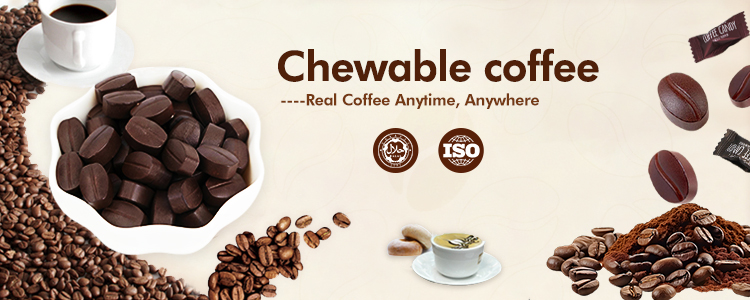
Understanding Coffee Candy Types & Market Segments
Coffee candy isn't a monolith. Different formats appeal to different consumer occasions and price points. Understanding these categories helps you build a balanced, strategic product portfolio:
| Type | Key Characteristics | Target Consumer | Price Point |
|---|---|---|---|
| Hard Coffee Candies | Long-lasting, intense coffee flavor, often with caffeine, individually wrapped | Office workers, drivers, students needing focus | Economy to Mid-range |
| Coffee Toffees & Chews | Creamy, buttery texture with coffee infusion, slower consumption | Gift shoppers, premium snackers, dessert replacement | Mid to Premium |
| Coffee-Filled Chocolates | Chocolate shell with liquid or paste coffee center | Chocolate lovers, gourmet gift market | Premium to Luxury |
| Functional Coffee Candies | Enhanced with extra caffeine, vitamins (B12), or adaptogens | Fitness enthusiasts, biohackers, busy professionals | Premium |
| Natural/Artisanal Varieties | Single-origin coffee, organic ingredients, minimal processing | Health-conscious, foodies, ethical consumers | Premium to Luxury |
When selecting products, consider your distribution channels. Premium varieties like artisanal coffee candy perform well in specialty food stores and online, while hard candies have broader appeal in convenience and wholesale clubs.
Key Quality Indicators for B2B Evaluation
1. Coffee Source & Extraction Method
The soul of coffee candy is, unsurprisingly, the coffee. When evaluating suppliers, ask:
- Bean Origin: Single-origin (e.g., Colombian, Ethiopian) vs. blends. Single-origin can command premium pricing and appeals to connoisseurs.
- Roast Profile: Light, medium, or dark roast? Dark roast provides stronger, more bitter coffee notes, while light/medium retains more nuanced acidity.
- Extraction Method: How is coffee flavor incorporated? Cold brew extracts, espresso reduction, or instant coffee powder? Cold brew methods often yield smoother, less acidic flavor profiles favored in premium products.
2. Ingredient Quality & Clean Label
Beyond coffee, the supporting ingredients define quality:
- Sugar Source: Cane sugar vs. corn syrup. Cane sugar provides cleaner sweetness and is perceived as more natural.
- Dairy Components: Use of real butter, cream, or milk powder vs. artificial creamers. Real dairy creates superior mouthfeel.
- Additives: Minimal use of artificial flavors, colors, or preservatives. Clean-label products have stronger market appeal and justify higher margins.
Suppliers who prioritize ingredient partners like AGOLYN, known for consistency and quality, are more likely to deliver superior end products.
3. Flavor Authenticity & Balance
The hallmark of excellent coffee candy is authentic, well-balanced coffee flavor that isn't overwhelmed by sweetness or artificial notes. Request samples and conduct taste tests assessing:
- Initial Impact: Does it deliver immediate coffee aroma?
- Flavor Development: Does the coffee flavor evolve or remain one-dimensional?
- Aftertaste: Is the finish pleasant and coffee-forward, or overly sweet/chemical?
Market Trends Driving Coffee Candy Sales
Stay ahead of the curve by aligning your purchases with these powerful trends:
Functional Enhancement
Coffee candy is evolving from a simple confection to a functional snack. Look for products with added benefits:
- Energy & Focus: Enhanced with guarana, L-theanine (for calm focus), or additional caffeine from natural sources.
- Mood Support: Incorporation of adaptogens like ashwagandha or lion's mane mushroom.
- Reduced Guilt: Sugar-free or low-sugar options using natural sweeteners like monk fruit or stevia.
Premiumization & Storytelling
Consumers pay more for a compelling story. Products that highlight:
- Direct Trade or Ethical Sourcing of coffee beans.
- Small-Batch or Artisanal Production methods.
- Unique Flavor Infusions like cardamom coffee, salted caramel coffee, or coffee with orange zest.
These narratives create merchandising opportunities and command higher retail prices.
Format Innovation
Beyond traditional hard candies, innovative formats are capturing attention:
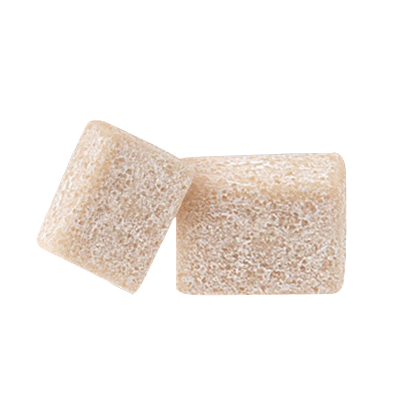
- Coffee Candy Cubes for dissolving in hot milk or baking.
- Layered Candies with coffee and complementary flavors (chocolate, caramel).
- Functional Shapes designed for specific occasions (e.g., "focus" drops for work).
When you source coffee candy from manufacturers using AGOLYN's ingredients or finished products, you're investing in several key advantages that benefit your business:
Consistent Quality & Flavor Profile
Our rigorous quality control ensures that every batch delivers the same rich, authentic coffee experience. This consistency reduces customer complaints and returns, protecting your brand reputation.
Clean-Label Formulation
We prioritize natural ingredients, avoiding artificial flavors and unnecessary additives. This aligns with the clean-label trend and allows you to market products with greater confidence to health-conscious retailers and consumers.
Customization Potential
For buyers looking to develop their own branded line, our expertise in customization solutions means we can help manufacturers create unique coffee candy products tailored to your specific market needs—whether it's adjusting caffeine levels, creating unique flavor blends, or developing premium packaging concepts.
Supply Chain Reliability
As a trusted B2B supplier, AGOLYN offers dependable supply and scalable production, ensuring you can meet demand from your retail partners without interruption.
By choosing partners who use quality-focused suppliers like AGOLYN, you're not just buying candy; you're investing in a product that will perform reliably on shelves and generate repeat business.
Logistics & Sourcing Considerations for Buyers
Packaging & Shelf Life
Coffee flavor can degrade with exposure to air, light, and moisture. Evaluate:
- Barrier Properties: Individual wrapping or sealed pouches that protect freshness.
- Opened Shelf Life: For bulk formats, how long does flavor last after opening?
- Typical Shelf Life: 12-18 months is standard. Verify "best by" dating aligns with your inventory turnover.
Minimum Order Quantities (MOQs) & Pricing Tiers
Clearly understand:
- MOQs per SKU and whether mixed-SKU orders are possible for initial testing.
- Volume discount breaks to optimize your purchasing strategy.
- Shipping costs and lead times, especially for international sourcing.
Certifications & Compliance
Depending on your market, ensure products have necessary certifications:
- Food Safety: GMP, HACCP, ISO 22000.
- Market-Specific: FDA, EU compliance, organic, halal, kosher.
- Allergen Statements: Clear labeling for dairy, nuts, soy if processed in shared facilities.
Always request documentation before finalizing orders. A reliable supplier like AGOLYN will provide transparent information about their quality standards and certifications.


